East Asia
Japan
Fast rail makes multi-city routing genuinely easy — the discipline is deciding what to leave out.
Written by VistaVoyages editorial team · Last reviewed 2026-07-30
- Best months
- Late March to May and October to November; June is the rainy season in much of the country
- Typical trip length
- 12–14 days for three cities at a reasonable pace
- Language
- Japanese; English signage common on rail and in major cities
- Currency
- Japanese yen (JPY)
The planning view
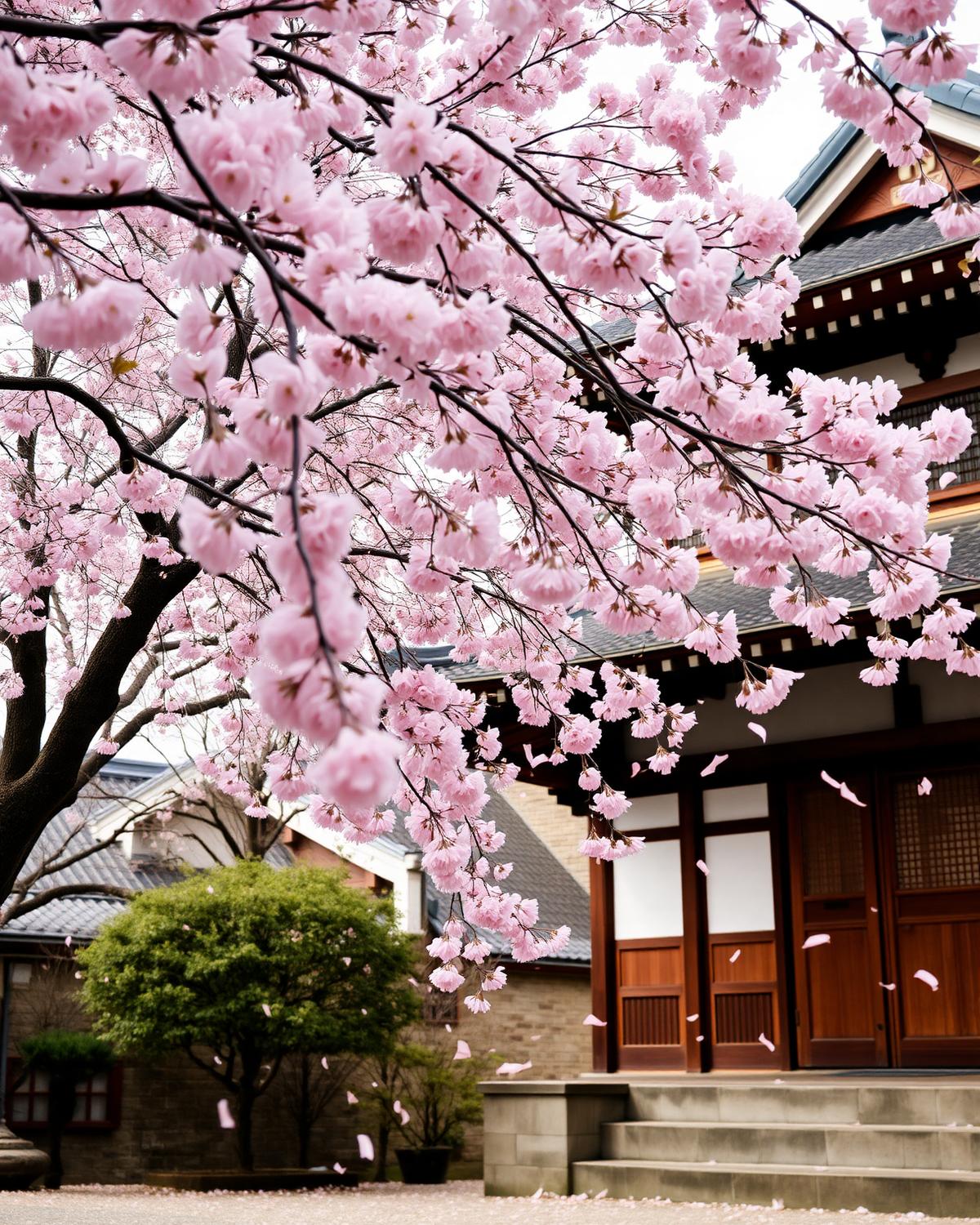
Japan is one of the few destinations where a multi-city itinerary is less stressful than a single-base one, because the Shinkansen network turns Tokyo–Kyoto into a shade over two hours. A first trip usually settles into Tokyo, Kyoto and one third stop — Osaka for food, Kanazawa or Takayama for a slower regional layer, Hiroshima and Miyajima for the west. Seasonality is unusually decisive here: cherry blossom in late March and early April and autumn colour in November are both beautiful and heavily booked, and both shift by a week or more each year.
Where the trip is spent
Tokyo
Neighbourhood-led rather than sight-led. Four nights is a sensible minimum for a first visit.
Kyoto and Nara
Temples, gardens and early-morning walks before the day crowds arrive.
Regional Japan
Kanazawa, Takayama or the Kiso valley add pace and contrast between the two big cities.
Getting there
Tokyo Haneda (HND) and Narita (NRT), or Osaka Kansai (KIX) for a west-to-east route. Direct flying time from the UAE is roughly nine to ten hours.
Routes, schedules and flying times change. VistaVoyages does not sell or reserve flights, accommodation or transfers.
Practical notes
- Blossom and autumn-colour dates move each year and are forecast only a few weeks ahead.
- Rail passes and reserved seats have their own rules and conditions — worth confirming before fixing a route.
- Entry requirements vary by nationality — check official government sources.
Who it suits
Multi-city travellers, food-led trips and detail-oriented planners